
The most common call a gas technician gets starts with a homeowner convinced their house is about to become a news story. They smell something, they picture the entire gas line rotting behind the walls, and by the time help arrives they have often made two or three decisions that complicate the repair rather than help it.
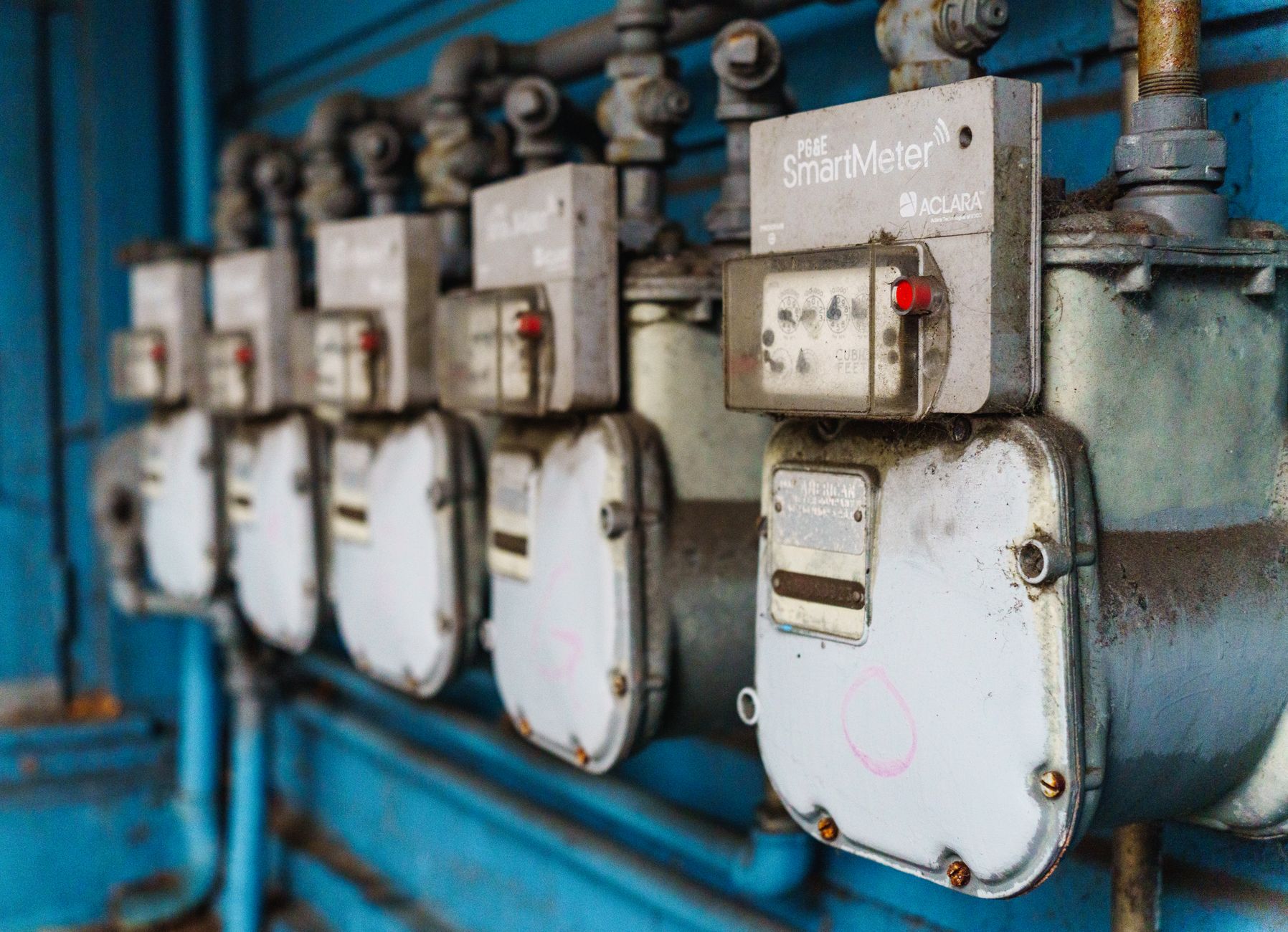
Almost none of that panic is warranted, and much of it comes from assumptions that sound reasonable but don’t match how gas systems actually behave. It is worth walking through what the work really looks like, because the gap between the fear and the reality is enormous.
The smell doesn’t mean the whole line is failing
That rotten-egg odor is added on purpose, because natural gas itself is odorless. The additive is deliberately strong so that even a tiny escape is noticeable. A smell you can detect from across a room might be coming from a loose fitting no bigger than a pinhole. The intensity of the odor tells you almost nothing about the scale of the problem. Some of the worst-smelling calls turn out to be a single connection that needs a quarter turn and fresh sealant.
Why shutting off the meter yourself can backfire
People assume the responsible move is to run outside and shut the gas off at the meter. Sometimes that is correct. But turning a valve you don’t understand, in the dark, while flustered, can leave it in a half-open position that keeps leaking. Worse, restoring gas after a full shutoff is not a matter of flipping it back on. Every pilot and appliance has to be relit and checked, and in many areas that step legally requires the utility or a licensed professional. Shut off only if you’ve been told to, or if the odor is overwhelming, then leave and call from a safe distance.
The myth that every leak means replacing all your piping
There is a persistent belief that one leak condemns the whole system. Homeowners brace for a quote that involves tearing out every foot of pipe in the house. That is rarely the situation. Gas piping is sectional, and a fault in one run says little about the condition of the rest. Full replacement is reserved for lines that are genuinely corroded end to end or installed with materials no longer considered safe. For the majority of calls, the affected section is isolated and addressed on its own.
How technicians actually pinpoint the source
Finding a leak is methodical, not dramatic. A technician isolates a section, pressurizes it, and watches whether it holds. Soap solution brushed over joints reveals bubbles at the exact point of escape. Electronic detectors sweep along the line to sniff out concentrations too faint to smell. The goal is to confirm the precise fitting or length involved before anything is opened up, so the repair targets the real problem instead of guessing.
What a proper Little Rock gas leak repair really involves
Done correctly, the work follows a sequence: locate, isolate, repair, then verify under pressure before gas is restored and appliances are relit. A qualified crew handling Little Rock gas leak repair will document the pressure test and make sure every appliance downstream is functioning before they consider the job finished. Skipping the verification step is the difference between a real fix and a temporary one.
Small leaks are not always the harmless kind
A faint smell that comes and goes tempts people to wait it out. The danger of a small leak isn’t just the gas that escapes; it’s that a slow release into an enclosed, poorly ventilated space accumulates over hours. Size at the source and risk in the room are two different measures. A minor leak in an open basement is one thing. The same leak inside a sealed utility closet is another entirely.
When patching is fine and when it is negligent
A tightened joint or a replaced fitting is a legitimate, permanent repair when the surrounding pipe is sound. Patching becomes negligent when it is used to buy time on a line that is visibly corroded or already failing in several places. The judgment call rests on the condition of the material around the fault, not on convenience. Any repair that ignores obvious deterioration nearby is setting up the next call.
Reading the aftermath so it never happens again
The end of the job is a chance to learn something. Where the leak formed, what caused it, and whether other sections show early signs all inform how the system should be watched going forward. Corrosion at one fitting often hints at conditions affecting others. A technician worth trusting will point these things out rather than pack up the moment the pressure holds, so the same problem doesn’t return under a slightly different disguise.