
A builder can stop work with your money already spent and the frame half-finished. When a contractor becomes insolvent partway through a job, the homeowner is often left holding a site that isn’t weathertight, a stack of unpaid subcontractor invoices, and no clear way to force anyone to finish the work. The legal entity you signed with may simply cease to exist, which means chasing it for a refund goes nowhere. Understanding how this unfolds – and what actually protects you – matters long before the trouble starts.
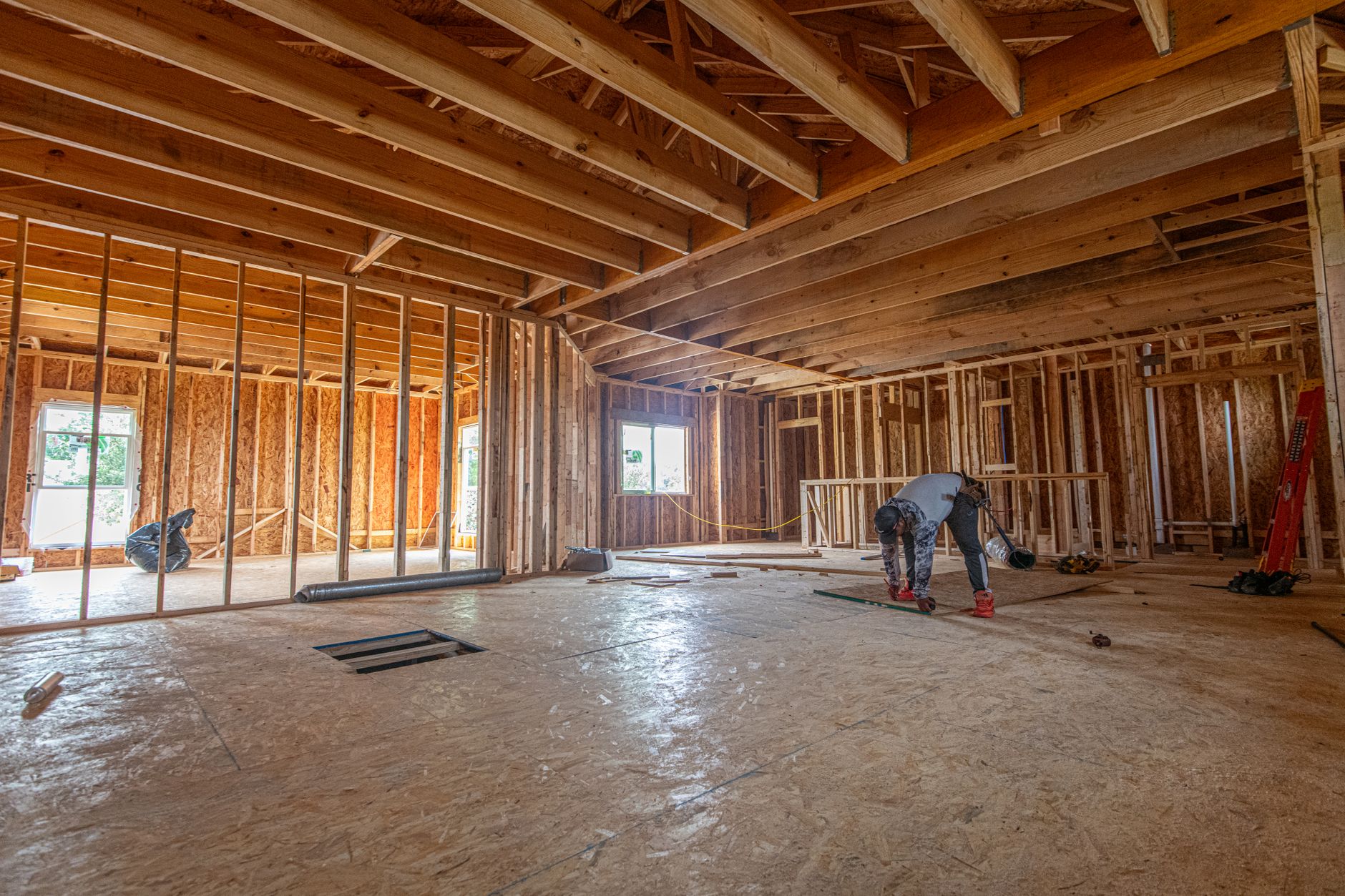
Insolvency Warning Signs
Insolvency rarely arrives without warning. The signals usually build over weeks or months, and homeowners who spot them early have more room to act.
Watch for a slowdown that has no weather or supply explanation – crews that used to arrive daily now turning up once a week, or not at all. Subcontractors asking you directly about payment is a serious flag; it means the builder isn’t paying the people doing the work. Requests to bring forward payments, or to pay for materials that never appear on site, suggest cash is being used to cover older debts. Suppliers refusing to deliver without upfront cash point the same way.
Communication changes too. Calls go unreturned, the site manager becomes vague about dates, and written answers dry up. If a builder who once emailed detailed schedules starts avoiding anything on paper, take note. None of these on its own proves insolvency, but two or three together are worth treating as a genuine risk rather than a rough patch.
How Protection Kicks In
This is where the paperwork you arranged at the start earns its place. When a builder fails, the mechanism that steps in depends on what was set up before the first payment changed hands. Bonds and warranty schemes are designed for exactly this scenario: a third party stands behind the contractor’s obligations so that the collapse of one company doesn’t collapse your project with it.
A performance bond, for example, obliges the surety to arrange completion of the work or cover the reasonable cost of another contractor finishing it, up to the bonded amount. A structural or deposit warranty operates differently, protecting specific sums rather than the whole contract, but the principle is the same – the risk sits with an institution that isn’t going anywhere. Confirming that this kind of builder coverage is genuinely in place, and reading what it actually covers, is far easier before a project begins than after a company enters administration.
The trigger is usually formal insolvency – liquidation, administration, or a similar legal event – rather than a builder simply going quiet. That distinction matters. You generally cannot claim on a bond because someone is slow; you claim once the contractor is legally unable to continue. Keep your contract, your bond or warranty certificate, and all payment records together, because a claim will require you to prove what you paid and what stage the work had reached.
Recovering Your Deposit
Deposits are often the most painful loss, because they’re paid early and represent real money for work not yet done. Recovery depends almost entirely on how that deposit was protected at the outset.
If your deposit sits in a dedicated insurance-backed scheme or an escrow-style arrangement, you claim against the scheme rather than the failed business, and the process is relatively defined. Where no such protection exists, you become an unsecured creditor in the insolvency, ranking behind banks, tax authorities, and secured lenders. In practice, unsecured creditors frequently recover little or nothing, and any payout can take a long time to arrive.
To make a claim, you’ll typically need the contract, proof of the deposit payment, evidence of the work completed against the agreed schedule, and the certificate for whatever protection applies. Submit it promptly once the insolvency is confirmed; schemes often have deadlines. Whether you’re building in a growing suburb or renovating an older place closer to the centre of the city, the outcome hinges on these documents, not on how sympathetic your case sounds.
The single most useful step you can take today is to dig out your contract and check, in writing, exactly how your deposit and the balance of your build are protected – and if the answer isn’t clear, ask before you pay another cent.